Why No Till?

Why No Till?

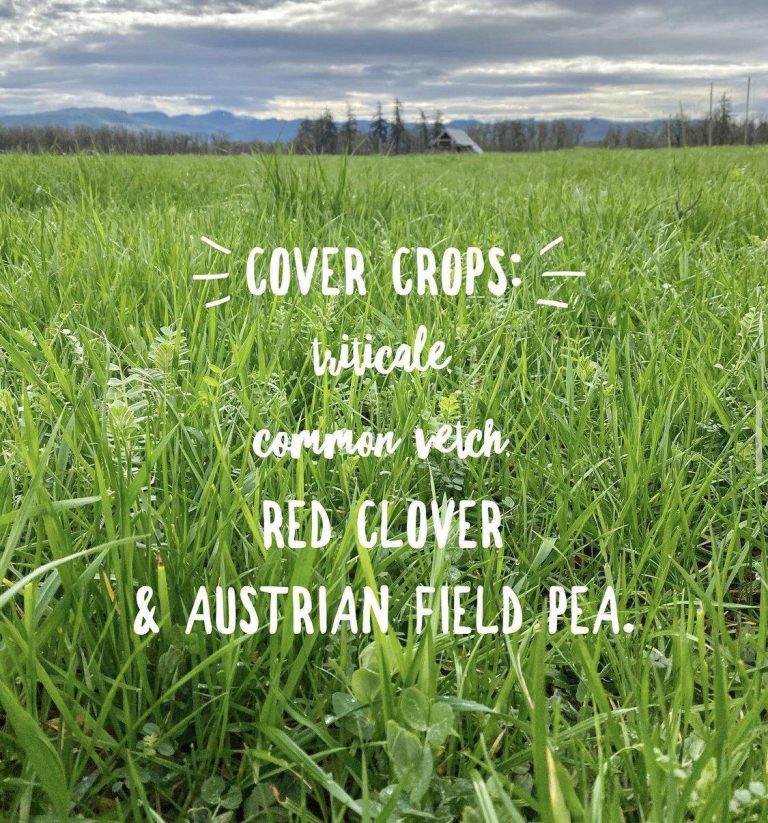
Fall is a busy planting time on the farm. We seeded about sixty acres using a no till drill. No till drills do not require the farmer to till the soil in order to plant. The machine cuts a small row in the soil using a disk and drops seed in the row, it then covers…

Tansy Moth

Tansy Moth

We are excited to see Tansy Moth aka Cinnabar Moth show back up on the farm. We knew it existed but haven’t seen more than a few for many years. According to OSU, if the insects are presentit may still take many years for the population to build up and control the weed. “Tansy Ragwort was unintentionallyintroduced to…

How to Compete With Annual Rye Grass & Hay Makin – June 25, 2020
|

How to Compete With Annual Rye Grass & Hay Makin – June 25, 2020

Before we started farming the property in 2013, the farm had been leased out to a grass seed/annual rye grass farmer. The farm is around 320 acres, so we take back portions of the property as we can manage them. We needed a large grazing animal to help us manage the space and restore soil health. Fortunately the…

Take 1/3, Trample 1/3, Leave 1/3 – March 29, 2020
|

Take 1/3, Trample 1/3, Leave 1/3 – March 29, 2020

Take 1/3, Trample 1/3, Leave 1/3.  This is the grazing mantra we try to graze by. Anyone that works with livestock knows this is not a perfect process  but some tips for grazing management we try to follow include: Grass is king, protect the crown! “The primary function of the root crown is storage of energy reserves for…

Grasslands & Carbon Sequestration – October 10, 2019
|

Grasslands & Carbon Sequestration – October 10, 2019

Did you know that the diverse ecosystems of grasslands can sequester a vast amount of carbon? Perennial grasses have roots that can extend up to 15 feet underground and literally trap carbon from the atmosphere using photosynthesis. Unlike forests which store carbon biomass in the form of leaves and wood, the carbon from grass is stored in…

End of content

End of content